Advertisers FREE WhatsApp Community
It’s a Place where everyone can;
+ Ask
+ Help
+ Support
+ Recommend
Here’s the group link
Click Here
description
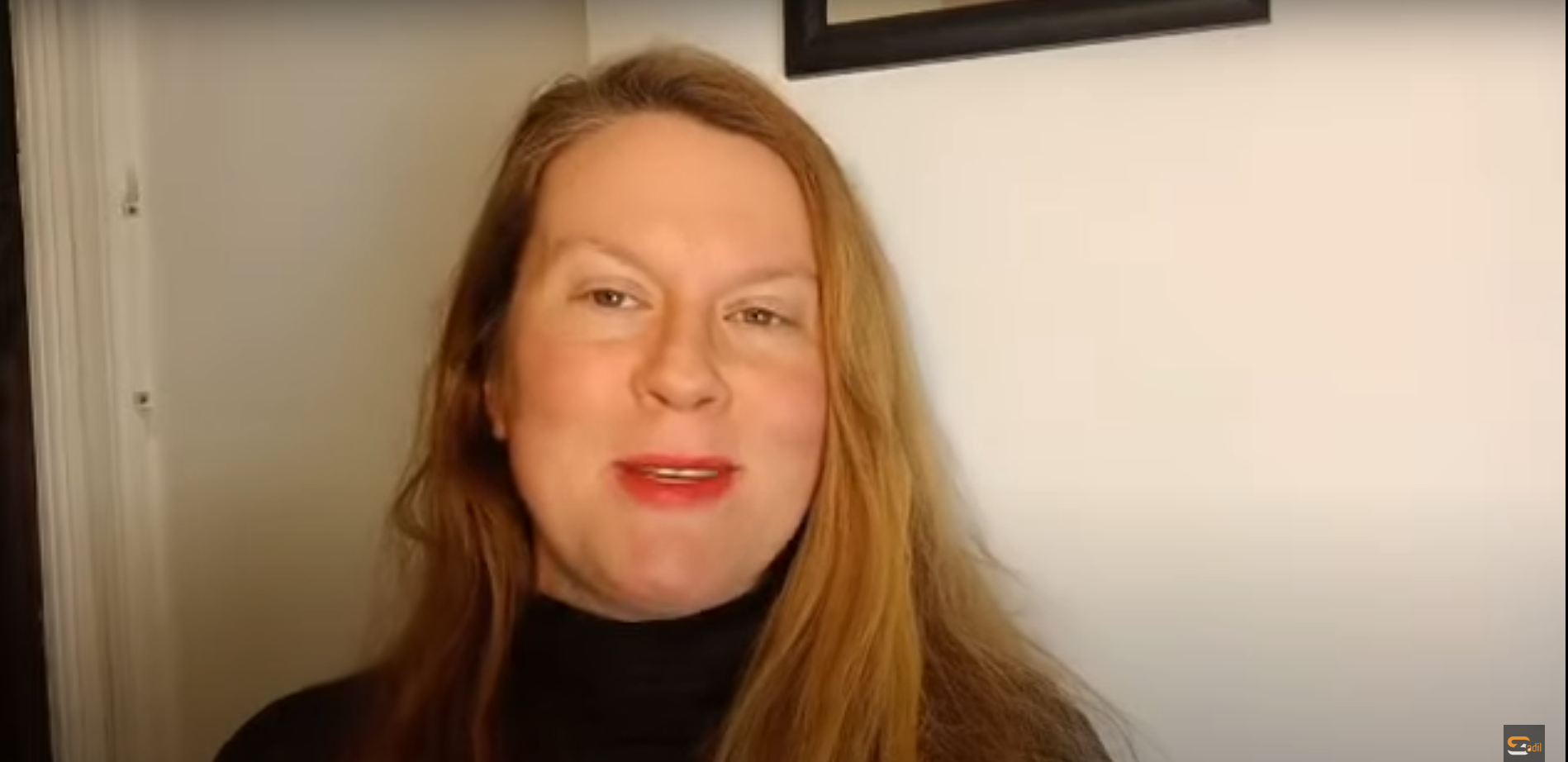
In this episode of Adil Talks, host Syed Zurriyat Adil talks with Emily Dunlop, a marketing veteran and founder of Authority Academy. After 12 years in the corporate marketing world working with brands like Nike and eBay, Emily moved to Italy to launch her own business. They discuss the “PACE” framework for personal branding, the reality of living as a digital nomad in Europe, and how to build authority in 2025.
Five Key Points
1: The PACE Framework: Emily’s signature system for building a brand consists of four pillars:
P (Positioning): Knowing exactly why someone should choose you over anyone else.
A (Authority): Bringing your hidden credentials to the surface so people trust your expertise.
C (Content): Creating a funnel that educates and converts your audience daily.
E (Ecosystem): Building the systems and offers (from low-ticket to high-proximity) that allow your business to scale without burning out [16:15].
2: Positioning vs. Niche: Many people confuse the two. Your niche is the category you play in (e.g., fitness or marketing), but your positioning is the “energy” and specific messaging that makes you unique within that category. It’s the difference between being “another coach” and being the only person who solves a specific problem in a specific way [17:21].
3: The “Authority” Mindset: Emily believes authority isn’t just about being a boss; it’s about being the “author” of your own life. Stepping into an authoritative era often requires a “leveling up” of your identity—changing how you dress, how you make decisions, and how you carry yourself to match the person you want to become [28:04].
4: Work-Life Duality in Italy: Moving from the UK to Florence changed Emily’s perspective on balance. She enjoys a “fast” working day but values the Italian culture of closing the laptop and truly connecting with friends and family without talking about work. This duality prevents burnout and keeps the creative energy fresh [08:04].
5: Scaling Through Seasons: Emily describes her journey from “max capacity” in done-for-you services to a “one-to-many” model. She emphasizes that you don’t have to “lock in” forever, but you do need “seasons of sacrifice” where you focus intensely on building the lead flow and systems required for the next level of freedom [39:01].
Final Takeaway
Building a personal brand in 2025 isn’t about being a “specialist” or a “generalist”—it’s about being an expert on your specific journey. Don’t be afraid to make mistakes on someone else’s dime in the corporate world before going solo. Once you do go solo, focus on building an ecosystem that matches your lifestyle goals, and remember that you are the authority of your own story.
Podcast Transcript
[01:31] Adil: Hi Emily, how are you?
[01:34] Emily: Hello! I’m good, thank you. How are you doing?
[02:10] Emily: This year has gone so fast. I moved to Italy last February and launched my business in June. I barely recognize where I started the year compared to how I’m ending it.
[02:34] Emily: Moving to Italy was coincidental. I took my mom to Tuscany for her 60th birthday, and realized the Wi-Fi was good and the energy was different. I came for six months to see what would happen, and 18 months later, I’ve got my identity card and I’m a fully-fledged taxpayer.
[04:03] Emily: The bureaucracy is the only bugbear. I’m lucky I have an Italian boyfriend to help with appointments; otherwise, I don’t know how you’d navigate it. But once you’re in the system, it’s actually quite smooth.
[08:04] Emily: I love the balance here. In the UK, it’s all go-go-go. In Italy, you close your laptop and no one asks about work. You talk about life and family. Plus, I can be at the beach in an hour or skiing in the north in a few hours.
[11:29] Emily: I’ve noticed since moving that my fitness has become a lifestyle. I see 70 and 80-year-olds running and staying so fit. It’s an inspiring environment to be in.
[16:15] Emily: My PACE framework came from my 12 years in marketing with brands like Nike and eBay. It stands for Positioning, Authority, Content, and Ecosystem. If you don’t know what you want to be known for (Positioning), nothing else works.
[18:05] Emily: Most people bury their authority credentials. They think, “Why would anyone care about this?” But bringing those to the surface is what makes your community decide to work with you.
[20:44] Emily: Your ecosystem is vital. You need different layers of proximity. The closer someone is to you, the more they pay. This gives you the flexibility to increase revenue while still impacting as many people as possible.
[21:50] Emily: I used to feel insecure about being a “generalist” because I worked in PR, social, and tech. But looking back, those different disciplines gave me the wisdom to understand the psychology of how to build a brand from scratch.
[25:06] Emily: You have to stress-test your ideas. Does it align with your talents, the market demand, and your interests? If you miss one, you’re just building an expensive hobby.
[28:04] Emily: To me, authority is being the “author” of your story. I had to “level up” my identity. I was working from home in jogging bottoms, but to face my fears and be seen, I had to dress and act like the person I wanted to become.
[32:45] Emily: You should always be thinking about how to expand yourself out of your comfort zone. Once you realize you can do the hard things, it becomes an addictive journey of bettering yourself.
[33:43] Emily: I believe in what Mel Robbins says: if you work that hard on something you believe in, there’s no way it doesn’t pay off. We all work in seasons—some are for long hours, and some are for more freedom.
[35:43] Emily: I’m glad I did the corporate thing first. I made my mistakes in big corporations on their money, not mine. Now, as a solopreneur, the stress is different, but I handled it because of that background.
[39:09] Emily: Last June, I was at max capacity with one-to-one work. I realized I needed to shift to a “one-to-many” route. It was a hellish month of work to build that new lead flow, but it was a necessary season for my next level of freedom.
[41:21] Adil: I’ve been growing my YouTube for two years. I have 13,000 subscribers, but I actually prefer the short-form content because it’s what I consume as a user.
[42:40] Adil: Long-form and short-form are both critical. Short-form grabs attention, but long-form is where the deep-dive value is. People see a short and then go looking for the full podcast to really learn the “how-to.”
[44:46] Emily: It was so good to meet you!
[44:51] Adil: Thank you so much for coming on the podcast, Emily.