Real Stories of Personal and Professional Impact

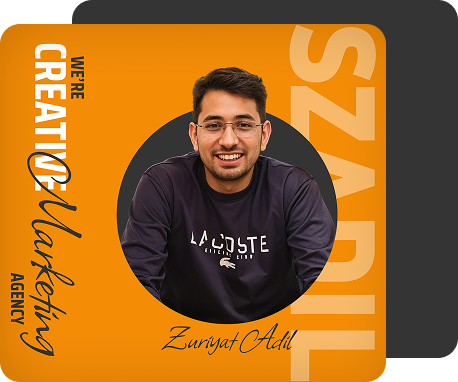
Host

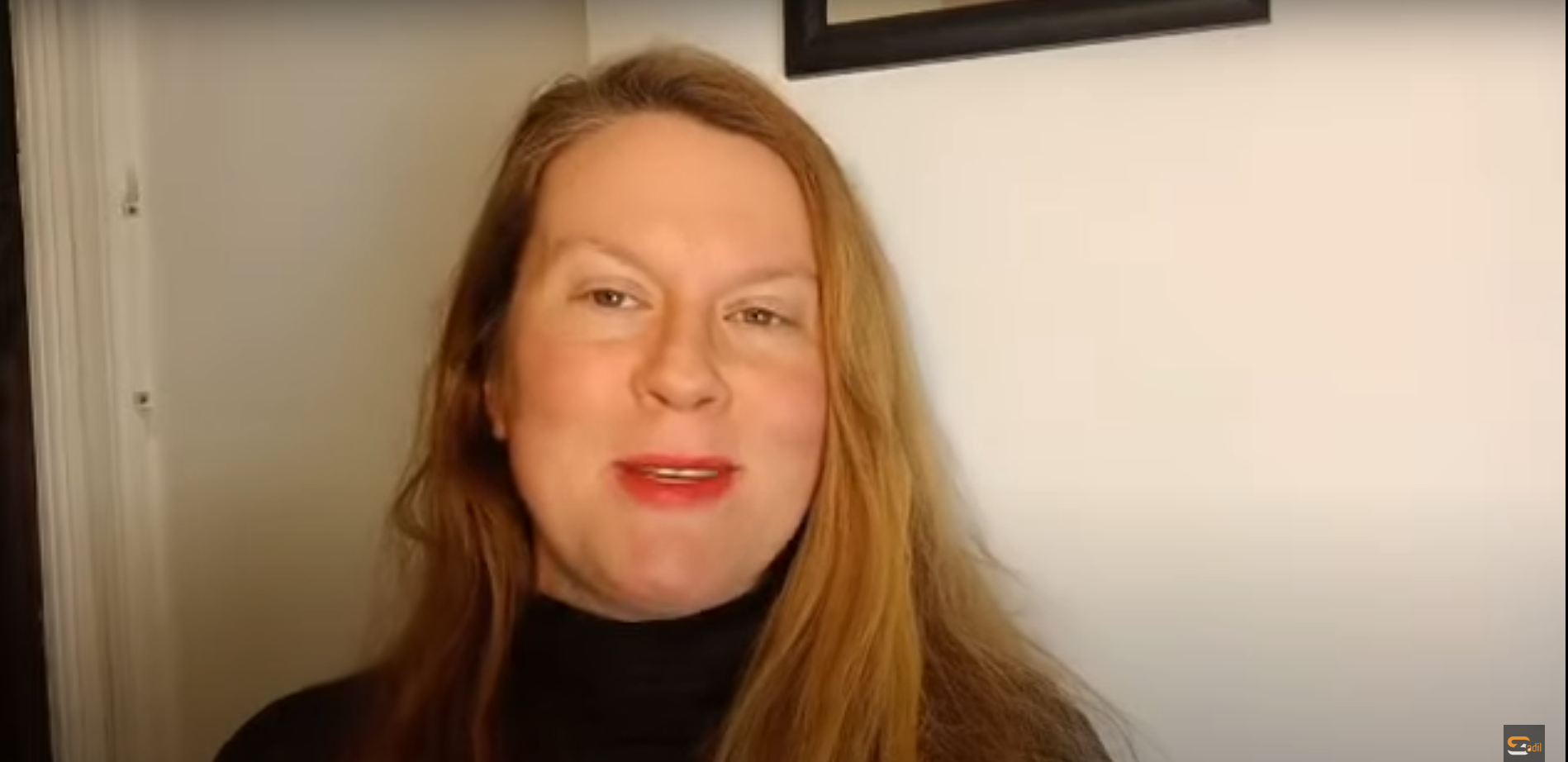
szadil

Guest

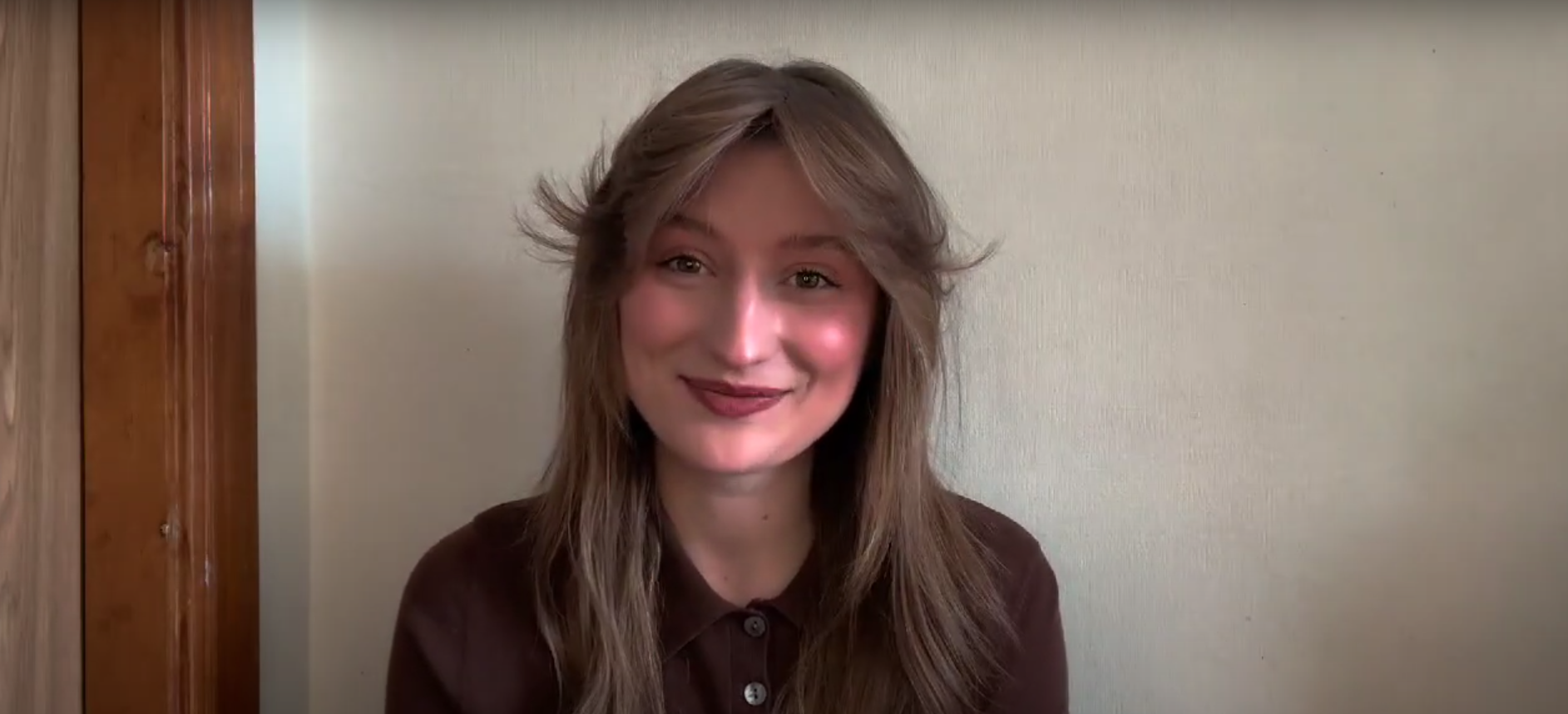
David Seybert

Related Playlist

Any Query!!!

Amazon Solutions Group

Advertisers FREE WhatsApp Community

It’s a Place where everyone can;

+ Ask
+ Help
+ Support
+ Recommend

Here’s the group link
Click Here

Why Amazon Brands Fail After Growth (And How to Avoid It) | David Seybert | Ep. 11 | Adil Talks 2.0

Share

Host

szadil

Guest

David Seybert

In this episode of Adil Talks 2.0, host Syed Zurriyat Adil interviews David Seybert (formerly of Thrasio), an Amazon growth expert and brand builder. David discusses the critical importance of conversion-focused creative, the common pitfalls that caused major Amazon aggregators to struggle, the shift toward omni-channel strategies in 2026, and how to navigate the overwhelming number of new tools and automation features on the platform.

Five Key Points

1: The Aggregator Fallacy: A primary reason many Amazon aggregators failed was treating brands like passive real-estate investments. David explains that Amazon brands require “special love” and niche community management (like Facebook groups) that doesn’t always scale well when rolled into a massive corporate structure. [06:58]

2: The “Conversion Pitch” Priority: Many sellers focus so much on traffic that they neglect their sales pitch. David managed to maintain a 25-30% conversion rate with fewer than 100 reviews by obsessing over creative assets that answer customer questions immediately, which ultimately saved him thousands in advertising costs. [09:29]

3: Combatting “Shiny Object Syndrome”: With Amazon launching constant updates and new ad placements in 2025/2026, brand owners often get overwhelmed. The advice is to ignore the noise and pick just three core things to do exceptionally well rather than trying to use every new automation tool. [04:33]

4: Social Media and “Brain Rot” Humor: The hosts discuss how traditional corporate language is failing. Brands that embrace Gen Z “brain rot” humor or meme culture are often outperforming sophisticated competitors because they build a human connection that bypasses the standard sales funnel. [30:27]

5: The 2026 Omni-channel Shift: While Amazon remains the dominant sales channel, 2026 is the year for brands to go omni-channel. This isn’t just about sales, but about building an audience and a reputation that exists independently of Amazon’s search bar. [20:11]

Final Takeaway

The most successful Amazon brands in 2026 won’t just be those with the best PPC strategy, but those that treat their product page as a high-stakes sales funnel and their customers as a community. Success requires moving past the “Amazon-only” mindset to build an audience on platforms like TikTok or Walmart, ensuring your brand remains a destination rather than just a search result.

Podcast Transcript

[02:24] Syed Zurriyat Adil: Hi Dave, how are you doing?

[02:26] David Seybert: Good.

[02:27] Syed Zurriyat Adil: So like Dave, when we started talking, we were talking about the year and you know this has been, I think this has been kind of a recovering year for the Amazon space. Like what do you think? I think Amazon is recovering right now as opposed to 2024.

[02:46] David Seybert: I think yeah, it seems this year still a lot of new brands coming into the space making a splash in a totally different way. 2025 definitely evolved a lot with the tariffs and all that. It started out a little shaky but overall, I mean it was a good year with traffic and I had noticed a lot of new developments. Amazon’s pushing a lot of new changes. So it seemed like there was a fair bit of announcements in 2025.

[03:23] Syed Zurriyat Adil: Yeah, I think it was too many announcements. Like every day you come in and you see they have, I think in 2024 they were just focused on making it visually better, the whole advertising console and stuff, and this year they were like “Okay you get videos” and then “You do this” and more automation and more placements. You might have seen the sponsored product video placement which is still a weird concept for me, but it’s out there. So I’m testing it out as well, but I’m like, where does it stop? Where do they stop?

[04:08] David Seybert: I don’t think Amazon has a stop button. I think as a brand it’s very easy to get overwhelmed of like, okay should I be on TikTok Shop or should I be running these new AMC audience ads? For a new brand it can be way overwhelming to figure out what do I actually need to do and cut through all the noise of like what are the five things that are critical that I should do for my first year or two or three years in business on Amazon. Because you’re just thrown all the shiny objects. Really you don’t need to do everything. You just need to do a couple things well and then build one thing at a time onto your business. But any e-com brand owner that’s started in the past couple years probably can relate to that of just like, there’s a million things that you could do in theory to push the business, but you have to choose like three.

[05:00] Syed Zurriyat Adil: Yeah, that’s right. And I have this, one of our guys in here is like a marketing guru and the thing is he doesn’t use advertising at all. He’s more of a virality guru. Whenever we are talking to him, I’m like “I spent like 100k in ads this month” and he’s like “I can actually get you this much ROI without running any ads.” And I’m like, yeah this is a whole different game. But for an e-commerce seller they have to look at everything and then they have to choose one because each thing is so different. It’s a very weird game out there. So Dave, you were I think the first marketing hire at Thrasio, so you have seen a lot of that life as well. In the start, the whole aggregator space was very exciting and fast-paced, and then it kind of went all over the place. I want to talk a little bit about that but I’m not sure where to begin because so many things happened within that.

[06:19] David Seybert: Yeah, and I think when you’re looking at the aggregator space, so I spent almost four years at Thrasio and was in at the very beginning when they had three or four brands that they owned and saw them scale up to a thousand employees and maybe 250 brands by the time that I left. And the key thing about aggregators, why they had such a hard time, is because managing an Amazon business takes like a special love. It’s a different skill set. And a big reason why I think a lot of them failed was they looked at it like an investment vehicle, like real estate, but didn’t realize all of the niche things that go into each individual brand—like Facebook groups of people that refer you and talk about you. Every little brand is operating in this niche and you can’t just roll them up and say “Oh this is a piece of real estate on Amazon” because a lot goes into maintaining that placement on page one.

[07:30] Syed Zurriyat Adil: Yeah. The supply chain is the first thing that collapses and it’s the first thing that if you do it right, it saves you a lot of profit as well. So I understand it became such a giant mammoth and it’s very hard to control. But at the same time Dave, you yourself have launched and ran a successful top brand in the home goods niche. What do you think was the one piece of thing that you did right? The thing that stood out or saved you money?

[08:39] David Seybert: I think investing a lot in creative early on of nailing the sales pitch. Having a great product is usually what most successful entrepreneurs can do really well, but sometimes you focus so much on that that you forget to sell it. People crush it by having a very lackluster product but they sell it super well. You see this a lot in the supplement niche. People don’t spend enough time laboring over the sales pitch and just testing, testing, seeing how people respond. So I spent a lot of time early on building that sales pitch. So my conversion rate when I had under a hundred reviews was 25-30%. Really high conversion rate. And so now I’m not killing myself on traffic because traffic’s so expensive on Amazon nowadays. If I converted at 5% or 10%, I’d be… yeah.

[10:00] Syed Zurriyat Adil: No, that actually makes a lot of sense. I was having this talk with a friend yesterday. He wanted to start a game development company. And I told him you have to go into either building a really good game like GTA 5 which takes a hundred million dollars, or you can create an educational game for kids and market it to parents. Because every kid has an iPad now, that is way easier and less expensive than creating a high-end game. So it’s very important to nail who is going to buy it and why.

[11:42] David Seybert: Yeah. A lot of Amazon sellers fall into one of two buckets. One is there’s already an existing idea and you’re making it better, and the other one is something entirely net new to the platform. Both have their own challenges. When you’re launching into a niche that already exists, it’s hard to conquest traffic because people are used to buying product A. You’re saying “Don’t buy product A anymore because mine does this.” And then the other bucket is creating something entirely new—a problem no one solved before. Nobody even knows to search for that. So both you have to have a really strong sales pitch. Amazon’s a small detailed page. People don’t go on there and explore and read a bunch. They type a keyword. So you have to tell a story that’s quick and powerful. I see a lot of listings that try to say too much. Amazon, you got to nail that click and then it needs to be more like a sales funnel. Conversion pitch is what we call it.

[13:26] Syed Zurriyat Adil: Yeah, tell me more about conversion pitch because I never thought about it this way. I usually think the main image is everything and the rest are just compliments.

[13:41] David Seybert: Yeah, the main image you can do a lot with depending on what niche you’re in. But some niches you’re not really able to tell the whole story. Take for example a teak shower bench. It’s not like you can tell that much of the story from the main image because it’s furniture. You just kind of put the item in there. But you have to be able to say “How are we different from the competitor that’s low quality” with just the main image. Then when you get to the detail page, capturing the sale by saying “This is us versus them,” difference in quality. But yeah, main image is where you get the most eyeballs.

[14:40] Syed Zurriyat Adil: Yeah, so the click needs to happen there. I remember I was going through hair serums because I had hair fall. There was this one where there was a man with really long hair and the bottle right beside him. This is where I stopped scrolling. I was sold because it was so funny but it actually made sense. The hair is long because it’s not falling.

[15:45] David Seybert: Yeah, and I think you can look at it kind of from an ads perspective. Before I was doing Amazon, I was doing Facebook ads. With Facebook ads, the purpose of the ad is to get the click. That’s all you’re really thinking about. I need to get the traffic and make sure that the traffic’s directionally ready to convert. CTR is everything with that main image. The way I’ve always thought about it with Amazon is the main image should directionally get you high-converting traffic, but it should be optimized to get the click. And then your detail page is what you have to perfect to close. It should be quick. If someone has to scroll around your page or they have questions and you’re not hitting them and answering, then your detail page isn’t really doing what it’s supposed to do.

[17:10] Syed Zurriyat Adil: That actually makes sense. So Dave, there are other platforms like TikTok Shop and Instagram and Walmart. What do you see in 2026? Do you think there’s going to be a shift in how brands start building? I’m seeing brands building outside of Amazon first and then coming into Amazon to get natural organic traffic.

[18:13] David Seybert: Yeah, and I think for 2026, I would have a different answer if you’re an established brand versus if you’re launching a brand in 2026. I think it’s all about audience. If you’re building a product that is not just a “me-too,” you should be thinking about where you build that audience. Building an audience through just operating an Amazon brand is nearly impossible. You should be thinking about social media, newsletters, or even live events. And if you’re an established brand doing millions of dollars, I would say 2026 is the year for the omni-channel strategy. People are still shopping at Amazon in majority, but many prefer other channels and Amazon is not an exploratory platform. People search, find, and buy.

[21:11] David Seybert: Back in 2017, I worked with a guy who invented a chicken feeder. You just drill a hole in a five-gallon bucket and screw this thing in. On Amazon, it just looked like a piece of PVC pipe. Nobody knew what it was. We had to do a ton of video ads and the main image had to show it on the bucket with chickens eating. Our first year it did a quarter million. But the main thing was engaging with chicken owners. That first year has to be very scrappy. Reaching out through social media, creating Facebook groups, sending out product samples. You just have to take every milestone as a win.

[23:47] Syed Zurriyat Adil: Yeah, that has a lot of struggle. And what’s your opinion on starting Amazon as a side hustle versus a main thing?

[24:41] Syed Zurriyat Adil: I think Amazon is a full-time thing. If you go all in, you get results faster and you understand faster as well. If your product is bad, you find out in 3 months and can go back to what you were doing. If you keep it as a side hustle, you slowly drain everything and in the end, if it doesn’t work, you’re just disappointed.

[25:35] David Seybert: I go back and forth on this. If you don’t know Amazon and you hire marketers, that’s one scenario. But if you’re a DTC owner launching on Amazon, it probably makes sense to have that be the core focus. It needs a lot of love. There’s five major things brand owners should consider now—sponsored product video, AMC audiences, etc. To succeed, you’ve really got to be on the ball. You can’t just check in a couple hours a week.

[27:11] David Seybert: Launching a brand this year, you have to do so much more. It’s not just traffic, conversion, and PPC anymore. I would add external traffic and then audience and engagement. Your customer shouldn’t just be a transaction. You need an engagement strategy.

[28:38] Syed Zurriyat Adil: I think for the 21st century, everybody realized these audiences are humans and we need a connection. I think meme culture played a lot of role in that. Corporations have started being more social media friendly because they understand people respond to that.

[29:28] David Seybert: Yeah, social media engagement and AI are the skill sets that have taken off the most. But as a business owner, I have no interest in making memes and posting. How would you advise someone like that?

[30:08] Syed Zurriyat Adil: I think get somebody from your family who “speaks memes” and just give it to them. There is a cookie company in my city and their whole thing is “brain rot” humor. Their cookies are terrible to be honest, but they were the first ones to do it and now they have branches all over the country.

[31:08] David Seybert: It’s an interesting strategy. That’s good for getting eyeballs, but then there’s the deeper level of strategy of converting those people. You can’t force that audience to be a conversion funnel for you; it’s more just a set part of your strategy.

[33:00] Syed Zurriyat Adil: Dave, if you launched a brand in 2025 and are expanding in 2026, what platform after Amazon is the most important to be on?

[33:18] David Seybert: I think TikTok. For my product type, it’s a niche that still needs to be educated. TikTok is good for exploratory building and awareness. It’s relatively low lift—just content and volume output. After that would be Walmart. For my niche specifically, it’s a commodity type product.

[34:39] Syed Zurriyat Adil: I’m going to argue that Walmart is important for everybody. If you get your product placed there, it helps you. Even if physical stores are closing, people still love to go out and look at stuff. Maybe six months down the line they see your product and remember it.

[35:58] David Seybert: I like Walmart. I worked with a top hundred seller doing 100 million a year on Amazon. They had products on Walmart too, but the traffic and revenue were just not comparable. However, I like your point about online reputation. If you’re on Walmart and Amazon, you’re everywhere. I will say certain brands stay away from Walmart because they want to keep their brand image a certain way.

[37:48] Syed Zurriyat Adil: Yeah, that makes sense. I never considered that point.

[37:51] David Seybert: That’s what held some DTC brands back from Amazon too, but now Amazon is just a sales channel. Even if you don’t show up there, someone else might sell your product. I actually just posted on LinkedIn about a new Amazon AI program with North Face where the AI goes to their store, buys it for you, and ships it using your Amazon info so you don’t even leave the app.

[39:03] Syed Zurriyat Adil: That’s good. I once wanted to buy a laptop and I went to the Asus website instead of Amazon because I thought a big transaction should be on a “safe” checkout page. I had to wait 5 days. I should have ordered on Amazon and got it the next day. Now I do all big transactions on Amazon.

[39:41] David Seybert: People are just used to the Amazon UI. If they have a return, it’s very simple.

[39:52] Syed Zurriyat Adil: Yeah, the return is very simple. Dave, thank you so much for taking the time out. I understand it’s near the holidays. Thank you for coming on the podcast. Do you have any closing remarks?

[40:29] David Seybert: No, if you want to connect with me, LinkedIn is the place. Thanks for having me on and happy holidays.

[40:41] Syed Zurriyat Adil: You too. Take care. Bye.

[40:45] David Seybert: See you.

Ready to Join the Conversation?

The SZAdil Podcast isn’t just for listeners, it’s for doers.