Real Stories of Personal and Professional Impact

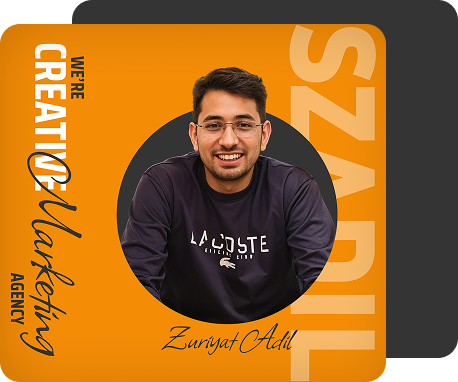
Host

szadil

Guest

Shane Barker

Related Playlist

Any Query!!!

Amazon Solutions Group

Advertisers FREE WhatsApp Community

It’s a Place where everyone can;

+ Ask
+ Help
+ Support
+ Recommend

Here’s the group link
Click Here

Why Are Your Amazon Reviews Dropping Overnight? | Shane Barker | Ep. 09 | Adil Talks 2.0

Share

Host

szadil

Guest

Shane Barker

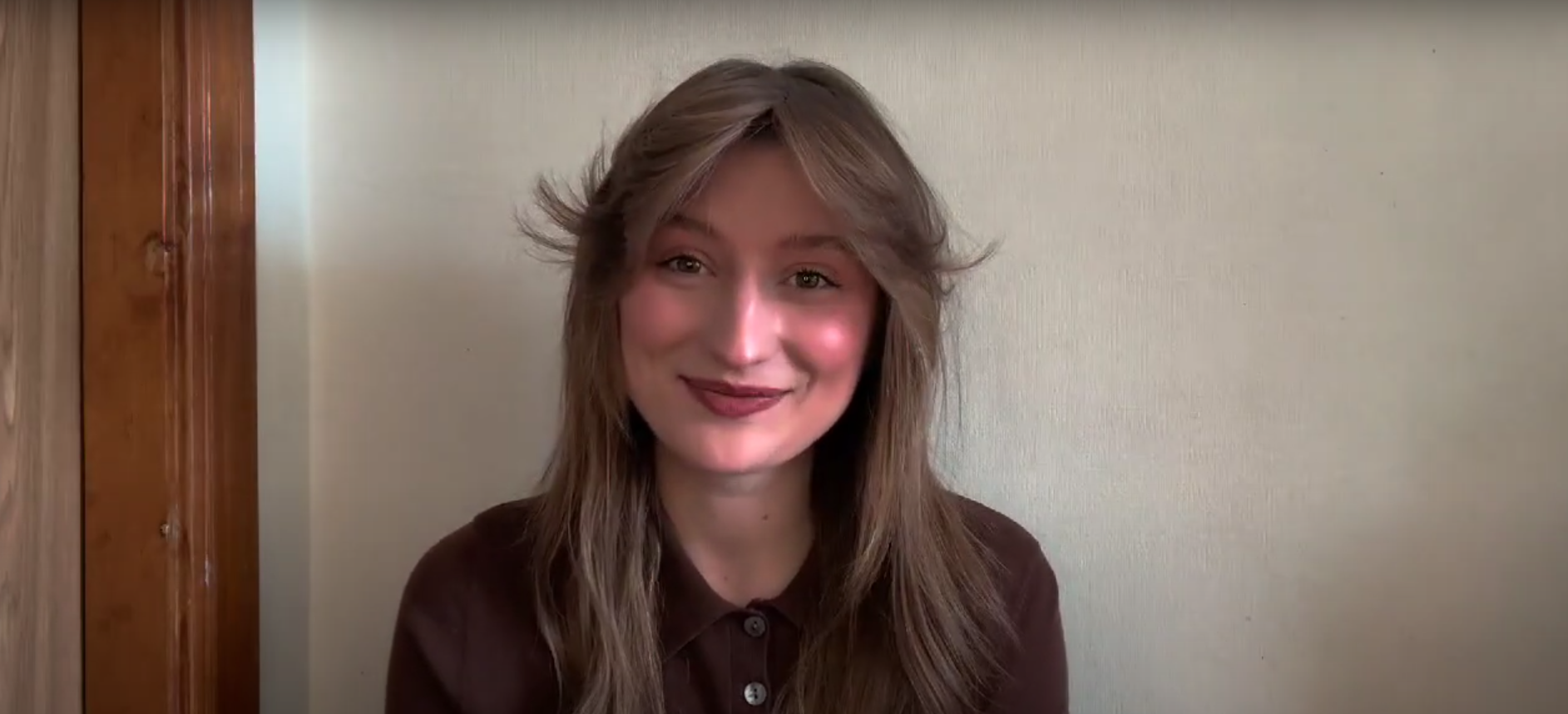
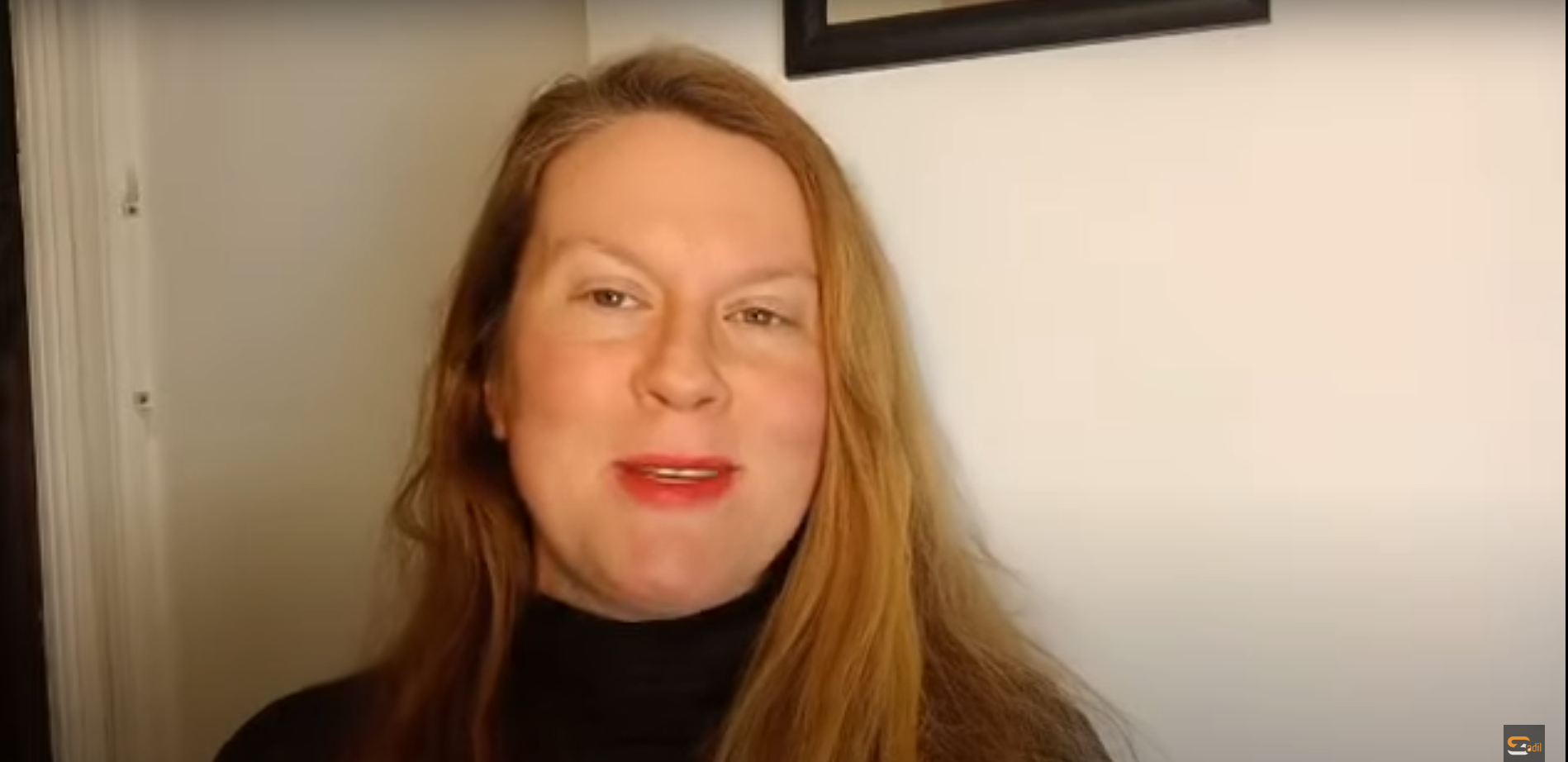
In this episode of Adil Talks 2.0, host Syed Zurriyat Adil interviews Shane Barker, an Amazon and digital marketing expert and the founder of Tracefuse. Shane discusses the critical importance of managing Amazon reviews, the ethical boundaries of business, the role of AI in modern marketing, and the value of personal branding.

Key Discussion Points

1: The Power of Proactive Review Management: Shane emphasizes that waiting until Q4 to address negative reviews is a mistake. Successful sellers are proactive, filing cases early in the year because Amazon’s manual review process is slow and nuanced [02:26].

2: The Ethics of Business Growth: A significant moment in the talk covers Shane’s refusal to work with an aggregator selling toxic products. He argues that no amount of money is worth compromising your moral standards or potentially harming consumers [06:01].

3: The Reality of Being a “Guest” on Platforms: Whether on Amazon or Google, sellers must remember they don’t own the platform. Amazon’s primary loyalty is to the consumer, meaning sellers must prioritize high-quality service to maintain their standing [17:55].

4: Personal Branding as Leverage: Shane views a personal brand as an asset that travels with you. Like “The Rock” bringing his own audience to a movie deal, a strong personal brand provides trust and a built-in audience for any new venture [24:38].

5: Leveraging AI Without Losing Quality: While Tracefuse uses AI to scan thousands of reviews for violations, Shane warns that it should be a tool for efficiency rather than a total replacement for strategy. Keeping up with AI is like “drinking from a fire hose,” but essential for staying competitive [31:57].

Final Takeaway

The most sustainable way to build a business in a shifting digital landscape is to combine unwavering ethical standards with strategic community building. Success isn’t just about mastering an algorithm; it’s about having the right mentors to shorten your learning curve and maintaining a reputation for honesty that ensures your audience follows you across any platform.

Transcript

[00:01:45] Syed Zurriyat Adil: Hi Shane, how are you?

[00:01:48] Shane Barker: I’m doing awesome my friend, how are you doing?

[00:01:50] Syed Zurriyat Adil: I’m doing great as well. So yeah, we just talked about the Q4 and it is going good, but at the same time, is Q4 more hectic for you or is the Q1 more hectic for you usually?

[00:02:06] Shane Barker: Yeah, so for us, it’s usually the time when people get—it becomes a little more hectic just in the sense that everybody goes, “Oh my gosh, it’s Q4, I want to get reviews removed, I want to get my BSR down where it needs to be, I want to improve my rating.”

[00:02:20] Shane Barker: So that’s usually when people come to us. I try to encourage people to be more proactive than reactive. If you get in contact with us in June, we can have some good—we’re going to be filing cases and making things happen because when we file cases and get reviews removed, it’s not an overnight process. It just doesn’t happen that fast, so it takes time.

[00:02:40] Shane Barker: So we get a lot of people that will come in Q4 and say, “Oh, how many reviews can we remove at a time?” And it’s like, well, we have to be compliant with Amazon, which we absolutely are, and we have to make sure that we’re conservative on how we do things. We don’t want to make Amazon mad at any point. So we’re very, very conservative, but we’re seeing a good amount of reviews being removed over these last few months for our customers. So they are excited about it, but those are all people that started a little earlier with us.

[00:03:03] Syed Zurriyat Adil: Yeah, that makes sense because Amazon is famously slow. I don’t think they can do any job at the time. They’re more like a government now, to be honest.

[00:03:24] Shane Barker: Yeah, whenever you get something to any government employee and they’re like, “Okay, this will be done in four weeks,” and it takes seven or eight, and then you’re like, you know.

[00:03:29] Shane Barker: It’s there. I agree with you. It’s usually the things that they do—it is a little slower. They’re a huge, huge organization. So if you want something to be done quickly, well, on any platform, it’s going to be a challenge to find that.

[00:03:47] Syed Zurriyat Adil: Yeah, that’s right. I have worked for organizations where even in those organizations, even in bigger companies, if you needed something really taken care of, you have to skip a lot of steps.

[00:03:59] Shane Barker: Yeah, that’s exactly it. Well, that’s the hard part with what we do with Amazon. It’s very nuanced in the sense there’s a lot of moving pieces to it.

[00:04:08] Shane Barker: As much as people think it’s just click the report and file a case, there’s a lot of things that we have to do with terminology and the different places that we want to file. There’s a lot of things that we’ve learned over the years just once again being in business. We started the business about five and a half years ago, but the first two years was just us trying to figure out how to file cases and making sure the ways to get Amazon to respond to the cases that we were filing.

[00:04:33] Shane Barker: We got really, really good, and as I said earlier, now we’ve removed over 16,000 reviews and have over 700 brands that we work with, so we’re very, very proud of that number. We were the first ones in the space to be able to start removing reviews. We don’t really have any big—we have some competitors, smaller competitors, but nobody real big. We’re the only ones that have software in place that they can activate and deactivate, as our goal is to make it really easy for the seller. They’ve got 10,000 other things to worry about in life, so we try to take the review headache away from them.

[00:05:04] Syed Zurriyat Adil: Yeah, that makes sense. So I was noticing that you have posted a lot about ethical review removal. I do understand that, but just to expand on it, has it ever happened that you were in the middle of looking at reviews and you were like, “Oh, this product actually is that bad that it shouldn’t be removed?”

[00:05:28] Shane Barker: The good part about what we do is we go after reviews that clearly violate Amazon’s own guidelines, their own rules. So if they mention a competitor, pricing, cussing, hate speech, or anything FBA related—right, so if somebody got shipped out late, broken, or used—those are the things that we focus on.

[00:05:45] Shane Barker: Now, I have had one—it wasn’t a client, but a potential client, a big client actually, an aggregator that reached out to us about removing reviews. And I said, “Oh well, tell me about the product.” And they said, “Well, the problem with the product is that it’s toxic, but we just need to sell out all of our inventory.” And I’m like, “Well, wait a second, what do you mean it’s toxic?” They’re like, “Well yeah, it’s toxic.”

[00:06:05] Shane Barker: And I was like, “Well, I’m not going to help you sell things that are toxic. That doesn’t work. I don’t care how much money you have, that doesn’t fit with my morals, my standards.”

[00:06:14] Shane Barker: And so I said—they said, “Well we have this much money and we have this.” And I said, “No, that’s not going to work for me.”

[00:06:22] Shane Barker: So the reason why we created Tracefuse was to even the playing field. If you get reviews of FBA and Amazon doesn’t take them down or doesn’t remove them right away, our goal with the software was to always even the playing field. So if I’m removing reviews and you’re going to be selling a toxic product, I want nothing to do with that. At the end of the day, that doesn’t feel right to me. We’ve also dropped clients. We’ve had two or three clients over the years that were doing things that were illegal on Amazon that weren’t compliant, and we’ve had to drop some clients because of that, because of emails that were sent to us and stuff.

[00:06:57] Shane Barker: And so, when we talk about being compliant with Amazon, we take that very, very seriously. And I would never—if you had a million dollars, I wouldn’t take it to go promote products that are toxic or going to hurt people. That’s just not a money thing for me, it’s just a moral thing. The same thing with this, I would never want to put anybody in a position where they could be hurt because I’m doing something that I don’t feel is right. I couldn’t look to my mom and say, “Hey mom, I’m doing this,” and her not go, “Why are you doing that? That’s not right.”

[00:07:28] Syed Zurriyat Adil: Yeah, I’m with you. You’ve got to do good business. Whenever I’m getting a client, I usually go to their reviews to check out how the product actually is. So that’s why I asked, because usually, if you don’t know anything about the product, you just go through the reviews and you start to get the hint of, “Oh, so that’s the thing they are doing,” or, “That’s the thing they are selling.”

[00:08:01] Syed Zurriyat Adil: Yeah, so tell me Shane, how did you get this idea of, “Let’s just provide this service,” because there are a lot of other services out there and Amazon has so many more things, but this is very niche and very particular.

[00:08:12] Shane Barker: Very, very niche, right? I mean, we were the first ones to do it, so there was no niche when we started this. We were the ones that actually paved the way. So the way that we started the company was—I have a company ShaneBarker.com, which is my personal brand. We had some clients that we were working with and what happened with that was, I’m looking at these clients and a lot of them were direct-to-consumer and some of them were selling on Amazon, and I’d always wanted to have a SaaS-based product.

[00:08:35] Shane Barker: And so I said, “Hey, what are your issues at Amazon?” And everybody said, “Well, getting reviews removed on Amazon is very difficult if they don’t catch them ahead of time.” And so I said, “Oh man, we’ll be able to figure that out, not a problem.” Well, it took us two years. Like I said, it was not an easy process. I thought I was going to be—I wasn’t really—I was familiar with Amazon, but I wasn’t like an Amazon expert by any means. Well, that’s changed because now we’ve been on the platform for five and a half years.

[00:09:08] Shane Barker: It made me realize, “Wait a second,” and when we figured it out after two years, I thought, “Man, the barriers to entry if somebody wants to compete with us are very, very high because of how difficult it is.” Now, we’ve made it easier for other companies, which is awesome. I like competition. I don’t mind competition. I think there’s enough room for everybody. I’m not a greedy type person. What I care about is helping sellers, Amazon sellers. And so if somebody is a competitor and you’re right next to me and we’re both helping and being honest about things, I don’t mind competition at all. In fact, I think it actually brings more validity to the industry when people are your competitors. Because if we were the only ones, people would go, “That’s really weird that you’re the only ones.”

[00:09:48] Shane Barker: And now that there’s some other companies—they’re nowhere close to as large as we are—but I think their intent is the same and I think they’re there to help. As long as your heart’s in the right place and you’re doing good business, rock on. I love those kind of competitors, those are my favorite kind because we can work together.

[00:10:03] Syed Zurriyat Adil: Yeah, no, that makes actually a lot of sense as well and it always promotes a healthy competition. But yeah, at the same time, you keep talking about that SaaS product. How—it has gotten very easy to make a SaaS product on a surface level due to ChatGPT, but at the same time, if you really have a good SaaS product, it’s very hard. How was that journey for you?

[00:10:37] Shane Barker: Yeah, I’ll be honest, I’m not a developer, so that was—I was a little nervous about that because how do you partner with somebody so they’re not screwing you over financially or whatever is going on there? I only know what I know and I’m somewhat dangerous, but not dangerous enough to know how long it takes to create something.
[00:10:50] Shane Barker: So the good part was that we started talking with Amazon experts and we really started to develop out what our plan was going to be. A lot of people just jump right in, we didn’t do that. We wanted to see if this made sense and if it’s a need for the market, which we found there was definitely a need. And then we had to be able to figure it out. Most of the sellers that I talked to before we launched were like, “Hey, this isn’t even possible,” which was always intriguing to me because then that’s a challenge.
[00:11:17] Syed Zurriyat Adil: Yeah, I like that.
[00:11:17] Shane Barker: I mean it’s like, “Oh, wait, nobody can do this?” I’m like, “I think we could figure it out.” But I will be honest, right around the two-year mark I was getting nervous because we’d spent a lot of time and money into this trying to figure it out. So finally, when we cracked the code, I was like, “Thank you, thank you for whoever helped us do this,” not only financially but from the—I call them the Amazon review gods were on our side and they wanted to help us, and so good things happened.
[00:11:47] Syed Zurriyat Adil: No, that actually makes a lot of sense. But yeah, it’s very hard to figure out a problem and then connecting with a SaaS product and making sure that SaaS product actually works.
[00:11:57] Syed Zurriyat Adil: Because my friend was making this tool and he was supposed to launch it in August and I asked him, “Why haven’t you launched it?” And he was like, “The tool is ready but the problem is somebody can easily snatch the code out of it.” And I was like, “Yeah, it’s very easy to just pick a tool apart.” So yeah, he spent three or four months just making sure the security was tight enough that code couldn’t go out. Because it’s very hard to put your tool out there and for customers to use and then there’s so many layers to making a SaaS product successful and making sure that it keeps working.
[00:12:40] Shane Barker: So that’s the key, is to keep it working. There’s constant changes in Amazon and you have competitors and those are all things that are part of having a SaaS product. I’m used to changing markets, I’m used to—if things are too stable for too long, then I get nervous anyway. I always want to build new things and make tech better. So for me, I don’t wait for somebody to pull the rug out from under me. For me it’s like, “Hey, how can we make this better? How can we have a better relationship with our customers?”
[00:13:16] Shane Barker: I also do all of our own sales calls, so I pride myself in that because I want to know: what are the features you like, what are the features you don’t like, does the price point make sense for you? I talk with anywhere from 20 to 50 sellers a week. And sometimes I’m telling them, “Hey, you know what? I don’t know if it’s a good time for you to work with us yet.” Maybe you don’t have a lot of critical reviews. We all know that when you start a brand, the minute you make a dollar, what happens? You have 10 people that want a dollar. So it’s like, how do you get past that?
[00:13:45] Shane Barker: And so I always tell people, “Hey, listen, we’ll always be around. Let’s reach out in three months or four months or five months. We’ll always be here. You’re not an absolute necessity for you today, but guess what? Once things really start to happen and you see some good things happening…” So I don’t push people into sales, I don’t push people into signing up. In fact, if anything, I’m the one that’s like, “Hey, let’s wait.” And I’ve had people go, “Well, I don’t want to wait.” I’m like, “Okay, well then you can sign up. I’ve got no problem with that, I’d love to have you as a customer, I just don’t—you’re not going to see miracles in the beginning because you don’t have a lot of critical reviews so there’s not a lot to file on.” So the results might not be crazy in the beginning, but we will protect you and monitor you over time, which is obviously something that Amazon sellers really enjoy in regards to our platform.
[00:14:31] Syed Zurriyat Adil: No, that’s very important as well. And since the name is Tracefuse, what other things are you considering? Because I don’t think you are just sticking at just reviews.
[00:14:43] Shane Barker: You know me too well, my friend. Yes, so we are working on some other stuff. It’s outside of Tracefuse. I’m trying to think what I can tell you because we’re currently—we’re implementing, we’re working on it right now. We do have some other SaaS products that are going to be outside of Amazon that we’re working on. So those will be launching, kind of like your friend’s SaaS product, I’m hoping in January. I think in January we’ll have it fully launched.
[00:15:11] Shane Barker: But it is going to be in the review space. It’s definitely going to be in the Amazon space, but we’re going to be doing something very different in the marketplace that nobody’s seen before. Even Tracefuse is similar to what it does, but it’s not exactly. So yeah, we’re really, really excited about that. I like to diversify and any way that we can help sellers—if we make some money from it, great. But my goal is always like—we have a great Amazon review checker tool that we offer for free on the website where people can go in and put in their ASIN, they get a report, and that report will tell them which reviews they should be filing on and which ones are the reviews that are in violation.
[00:15:43] Shane Barker: So that’s a free tool, doesn’t cost anybody anything. Well, it costs me money to do it to get the data, but it’s free to the consumer. So we always offer that to Amazon sellers. We also have a PDF and they can look on how to file cases. We give up a lot of information because I would love for a seller to be able to do it and not have to hire us because it’s just it’s really helpful. I wouldn’t—if I didn’t like working with Amazon sellers and I didn’t want to help them, I wouldn’t be offering free tools that would cut me out of business. I look at it like, I really, really want to help sellers. My thing is, it’s already hard enough to do a brand, you know how that is on Amazon. It’s hard to be successful. So if I can help and make it so they can save some money and do this on their own, I’ll give you guys the Amazon review checker, we’ll put it in the show notes, and they can click on that and go over there and try it for free.
[00:16:33] Syed Zurriyat Adil: Sure, sure. Yeah, definitely. Now Shane, switching the conversation into a different direction: you have been in the digital marketing space for a very long time. How different is it? Because I also came from digital marketing space to the Amazon space. How different is that transition? Because it’s a whole different world out there.
[00:16:59] Shane Barker: It really is, man. It’s apples and oranges. Jumping in the Amazon space, being new to the Amazon space, it was a whole new world. It’s not even—it’s its own world inside of a world. It’s pretty crazy because you have in Amazon, you have different communities which I’ve never seen like that before. You have like the Jewish community and you have the Mormon community and you have Indian. There’s so many different communities and I think they start those because it’s sometimes difficult to sell on Amazon and the new changes, so it’s nice to have other people around you that are all selling different stuff and what can you do to talk about strategy and what’s working and what’s not working.
[00:17:41] Shane Barker: So it’s really interesting that I think Amazon puts out information about changes they make, but a lot of the times they don’t. And so I think these communities are so big and so important when it comes to this because it’s very difficult. Amazon is, like any big platform, very nuanced. There’s a lot of different things you have to do, they can change their policies. I think what Amazon sellers have to remember is that you’re a guest on Amazon. Sometimes people forget that. I think they think, “Oh, they’re not doing this, they’re not doing that,” and it’s like, well, I’m not saying they don’t love you, but at the end of the day, they have to take care of the consumers. It becomes a little tricky sometimes.
[00:18:18] Syed Zurriyat Adil: Yeah, it’s very—coming from digital marketing, Amazon is also very different. You have to move very differently. If you take the D2C brand that’s just doing well on Shopify or a website or even on Instagram and then they go off and do other stuff, but a brand that starts on Amazon is very different. It’s very profit-centric at the same time, they have very low margins. It’s a different world out there. So how was it for you when you came into it?
[00:19:04] Shane Barker: It was a huge culture change for me. I’ve been in the digital space where we had done SEO and websites and I created an influencer marketing program with a friend of mine, Amanda, over at UCLA. So I have a long history in the digital space and I loved it because it was constantly learning new platforms and new things. It was awesome. And then so for me, a challenge of Amazon, I was like, “Oh hey, let’s figure it out.”
[00:19:29] Shane Barker: Now I will tell you, I didn’t expect it to take two years to figure out how to file cases with Amazon. That was a little humbling, that sobered me up pretty quickly. I was like, “Wait a second, this is taking a long time here.” So but the good part about that is that we were able to figure that out. Not an easy process, but we did. So I love that—anything we can do to be able to help people, that’s always a big thing for me.
[00:19:51] Shane Barker: But compared to digital, it is—there’s some overlap but not a lot. There’s similarities in what you can do SEO-wise, but they’re two totally different platforms. Google and Amazon—there’s some similarities but there’s just a lot of moving pieces that need to happen that need to align for that all to make sense. And you have thinner margins, as you talked about, which is not a problem. But if Amazon starts eating that up with some this or tariffs or anything else that happens, those are all things that affect your bottom line. And that can be, if you’re not going direct-to-consumer, if you’re not selling on your Shopify, that can be a challenge. Because Amazon’s going to do what Amazon does. They own the platform, they own the company. You might feel like they’re not doing the best thing for you, well, they’re not always looking at you, they’re really looking at their end consumer. That’s who they’re really going to make sure that they’re happy with. And that’s kind of the reality of it. So you got to make sure you have good customer service and all the good stuff to make sure that people are buying stuff on Amazon and that you can keep those margins healthy.
[00:20:55] Syed Zurriyat Adil: Yeah, that’s what I was thinking as well. But since you’re making another tool, I was just thinking: are you going to stick around in the Amazon field or are you thinking about any other field going on in two years, three years, five years?
[00:21:14] Shane Barker: So right now, this other one is going to be Amazon-based, but we probably will branch out from there because what the tool is is going to be less about just Amazon sellers. It’ll start off heavy on the Amazon side, but we will branch out to other platforms. So yeah, that’s kind of the goal. But yeah, I really enjoy the review space, I enjoy helping people, that’s kind of my big thing. Especially because, as you said, it’s always hard to create a brand and then to be able to be successful.
[00:21:43] Shane Barker: There’s so many ways that you can mess up creating a brand, and some of it we know about, some of it we don’t. And reviews are one of the things that could crush you overnight. I mean, you launch your product and somebody gives you a one-star review—if you don’t get that removed, your launch is toast, you’re done. So that’s very hard and very frustrating. And so once again, anything we can do to alleviate that stress is the goal.
[00:22:04] Syed Zurriyat Adil: Yeah, that actually makes a lot of sense. But at the same time Shane, since you have worked a lot on branding yourself as well, on personal branding and other brandings, what are your key takeaways for people who are starting out in the branding side? Because it’s a two-tiered question: first I want to ask about your experience on Amazon brands, but also I want to talk about personal brand kind of stuff when people are talking about building their own brands as well.
[00:22:40] Shane Barker: Yeah, so for me, building a personal brand—I mean, I started—I don’t know how long ago my website was, probably ShaneBarker.com was probably 15-plus years ago. It’s been a while. For me, it was more education. It was some personal branding, but that wasn’t the goal. My goal was to educate people and say, “Hey, we’re doing this good, we’re doing this bad, this is what’s worked, this is what hasn’t worked.”
[00:23:07] Shane Barker: I mean, no different than little communities in Amazon. So we were doing SEO and people are like, “Oh, how can you be successful in SEO?” It didn’t even—it wasn’t even SEO when I started, there was no real name for it yet. So what we were looking at is, I was like, “Hey, how can I educate people?” That’s always been my big thing: “How can I make it easier for people?” It’s already hard enough, as I said, starting a brand, building a website, doing all these things. So a personal brand to me is very important because the good part about it is you don’t have to have millions of followers.
[00:23:33] Shane Barker: I obviously grew up in the influencer space as well. So a lot of people have these misconceptions that you need to be huge, you need to have an email list with 100,000 people on it. You really don’t. A personal brand can be—as long as you’re putting out good content and you’re listening to your audience and making good things happen there and offering value and benefits to them, then you should be able to build an audience pretty quickly. But you don’t have to be the biggest fish out there.
[00:23:56] Shane Barker: I tell people when they’re creating courses and stuff: man, if you charge let’s say $500 a month for a course and if you had a hundred people in that course, that’s $50,000 a month. That’s a chunk of change. And so that’s not—you don’t have to have a million people in there. It can be smaller and more condensed, and there’s also more quality if you have a smaller amount of people as well. You can spend more time with people. So all of that stuff is a personal brand. No matter where I go, what’s beautiful—let’s say if I went to go work for a company—I bring my personal brand. I have all my LinkedIn’s gone crazy, I’ve got all this audience.
[00:24:38] Shane Barker: It’s no different than—think about celebrities, and I’m not saying I’m a celebrity—but like think about The Rock as an example. When The Rock goes and does a movie, guess what? Part of his negotiation is his audience. He has such a huge audience there, he knows that “Hey listen, I can sell $50 million in tickets just by promoting through his own Instagram.” People go, “Oh my god, that’s amazing.” So you’re not only just The Rock, but you’re also bringing this extra fire that’s going to be able to bring more people.
[00:25:01] Shane Barker: And so with a personal brand, I’m not saying you’re going to be able to be The Rock. I would be like a little pebble compared to the big Rock. But what I look at was like, well hey, I’ll always have this audience. At least they know who I am and it brings some—if I’m going to a speaking event, people will come to the speaking event. If I ask people to do a survey, they do a survey. There’s a lot of things that—those trusts that I’ve built with my audience that I would not burn for even a dollar. For me, it’s once again doing the right thing and people trust me. If I say, “Hey, this is the best software for XYZ,” it is the best software for XYZ.
[00:25:40] Shane Barker: I don’t take that lightly. If I recommend somebody, it’s because I’ve used it and I love it and I would highly recommend it. So that’s, for me, it’s not a—I’ve never sold out financially to only promote softwares that give me a lot of money. I don’t do that. I look at things and say, “How can I keep you… if you follow me, I want to make sure that at the end of the day anything that I say is going to be true and I’ve tested it myself and good things have happened.”
[00:26:08] Syed Zurriyat Adil: Yeah, that makes a lot of sense actually. I started off as a content writer. I used to tweet as well, like every content writer. So I asked somebody for help on my blog and they looked at everything and they were like, “Oh, these technology things that you write, they are very captivating.” That’s when I figured out that since I love technology myself, I am able to emphasize more on it. And then I realized that the things that I talk about—instead of things that I don’t know about, because as a content writer you write a bunch of stuff—the things that I actually know a lot about and I’m passionate about, if I talk about them, that gives me leverage.
[00:26:47] Syed Zurriyat Adil: So then I started understanding that everything that I’m good at, if I talk about it, people will listen to me rather than me just going off on doing weird stuff. And I think that was one of the initial lessons that I got. And then I also made a blog just to talk to people and write about my technology and my digital marketing experiences and that turned it into Adil Talks and now we are here.
[00:27:18] Syed Zurriyat Adil: But yeah, at the same time, it’s also about that thing that you have to be very careful about: what you promote or what you not promote and which direction do you lead your audience to. Because they’re relying on you and if you lead them to the wrong side, that actually makes sense.
[00:27:41] Shane Barker: Well, and that’s the hard part. It takes a long time to gain trust but it takes one post to lose trust. And I’m not saying don’t promote crypto or promote whatever you want to promote, but you got to be real careful on how you’re marketing it. Because for me, if I was going to promote something through crypto, I would tell people, “Hey, I personally invested, once again there’s a risk with everything, I’m putting this out there, I’ve made some money or I haven’t made some money,” and being very honest, and people can either give it a try or not give it a try.
[00:28:19] Shane Barker: But what you don’t want to do is oversell it: “Oh, I’ve made hundreds of millions of dollars, oh my god, I’ve got nine Ferraris,” and you don’t have any of that. You’re going to lose people very quickly. Nobody’s going to believe what you got and then you’re just going to be moving to the next scam or thing that you’re doing and it’s just not the way to do things. I’ve always been very, very conservative on who I’ve decided to work with and that’s only because I also want those people to also only send me people that they trust. There’s something about my word and the passion that we have for the things that we do and it’s important to be able to—I tell people, “Hey, if I referred that person, you’re not going to have a problem with them. You guys might not be a perfect fit, but at the end of the day, I think that you guys are and you guys should have that conversation.” And I’m not making—there’s no financial gains by me connecting you with that person. I’m more looking at this as: “How can they take care of you and will they take care of you?” That’s my biggest thing.
[00:29:11] Syed Zurriyat Adil: Yeah, that actually makes sense. And also diving into a little bit more into the influencer space and stuff like that, how has your experience been and what’s next in the influencer space? Because I see it dynamically changing. The way I see it is it was a lot of written content back before COVID, during COVID it was all TikTok, and then since then I haven’t followed the influencer stuff.
[00:29:41] Shane Barker: Yeah, TikTok obviously is still going crazy. You can see a lot of that happening with the integrations that they have with different platforms to show that they’re not going anywhere. TikTok is still the hot one, I think that’s where most people are spending their time if you have products and things that you want to sell there.
[00:30:07] Shane Barker: The thing what we got to figure out is, which is going to be a challenge, is the AI thing. We’ve been using AI obviously with Tracefuse for about three years now, even before ChatGPT and everything. That was a way for us to be able to look at reviews at scale, because obviously we have to—having 700 brands that we work with on a daily basis, that’s a lot of reviews. So AI was to help us be able to accelerate that and help with the accuracy and a number of different things. But I think AI is going to be really interesting and challenging because there’s always new stuff coming out. Every day it feels like there’s a new thing coming out.
[00:30:46] Shane Barker: I think that’s what’s going to be a challenge, is trying to get people to understand how they can implement this into their own business. You have people that are early adopters: “Hey, I want to use AI for everything.” That’s awesome. You have other people who are like, “I’m a little nervous about it.” Other people are older and saying, “Hey, AI just scares me, I don’t want anything to do with it.” There’s levels to it, but it’s no different than when the internet came about, no different when social media came about. These are all things that came and we were nervous about them at the time. And guess what? Is it going to affect people and jobs and stuff? Of course it will. Everything does.
[00:31:21] Shane Barker: We don’t know what the full effect is going to be. I do know that it can be great for some things and for some other people it’s going to affect them in different ways. But that’s life. There’s really nothing we can do except setting yourself up—that if you’re a graphic designer and all of a sudden you have all these brand new graphic design things that are putting out work better than yours, then you got to think about that. We got to figure out which direction are you going to go in.
[00:31:45] Shane Barker: So that’s what I’m excited about with the influencer space, really just anything is AI because the amount of things that are happening right now is pretty incredible. It’s almost impossible to keep up. Every day is a new thing, a new this—like I said, it’s like drinking water through a fire hose. It hurts and you’re being like, “Man, I’m trying to get as much information as possible.” It can be a challenge but it’s fun as well.
[00:32:11] Syed Zurriyat Adil: Yeah, so have you utilized these graphics kind of AI tools in your day-to-day life? How has that experience been?
[00:32:18] Shane Barker: Yeah, so we have—we dibble and dabble in it. Obviously we use AI as I said with Tracefuse, that’s how we grab reviews and look at reviews that violate Amazon’s guidelines. That was a great addition because we didn’t have to have a crazy big staff. Right now with AI we’re definitely creating some—my team actually just sent me over a picture of me inside of a glass container and I look like I’m in a sports shop, but I’m like inside the glass.
[00:32:53] Shane Barker: Anyways, the stuff that you can do these days just blows my mind. My team literally sent this to me today and I was like, “Wait, what is this?” And they’re like, “This is you and it looks like at a sports shop and you’re inside this glass casing.” It’s just—it blows me away. They did another one of almost like an action figure, like they said the “King of Amazon Reviews.” I thought that was kind of cool. It’s kind of fun to see all the different things because back in the day, I wouldn’t even be able to think, “Hey, let’s make me an action figure,” because I don’t think of myself as like Superman or anything. But then when my team created that, I was like, “Wow, that’s awesome.”
[00:33:38] Shane Barker: Every day is a new adventure and you see so many cool things and it’s like, “How did you guys create that?” “Oh, that took us 17 seconds.” And it’s like, man, that is incredible. It’s just pretty crazy the amount of time that it takes to be able to do some of this stuff. It’s a game changer.
[00:33:53] Syed Zurriyat Adil: Yeah, and also it’s growing so rapidly that it’s so hard to keep up with it. I tried keeping up with some of these for two months and then I was like, “You know, it’s just too much, I’ll just Google it when the time comes.”
[00:34:22] Shane Barker: Yeah, that’s the same with me. I just have other people go and do all the research and then say what are the good tools. We had talked about doing something in the AI space in the sense of a community or something. We haven’t decided against that but there’s just so many changes. How do you take all of this information and then be able to give that to the people that want to know the information and who needs what? You just got to try to make it simplistic, which is not always easy for some people. There’s different levels of tech and what you understand and what you don’t understand. We’ll see man, but it’s definitely an awesome time to be alive, I’m enjoying it.
[00:35:01] Syed Zurriyat Adil: Yeah, me too as well. I think we are the only generation that is going through all of it. We went through the TV phase as well and then the internet phase and now the AI phase, and also the COVID phase. That was the weird time.
[00:35:20] Shane Barker: Yeah, it was really hard. The COVID thing was like, “Wait, what just—?” I was looking around going, “What just happened? Where are we?” It looked like it was something from a movie. Nobody can have you shut down if you’re paying your taxes and doing all your things, then all of a sudden you could be shut down. It’s like, “Wait, what? I didn’t even do anything wrong.” And it’s like, well, this is just the way that it is. Everybody had different protocols and this and you can do this or not do this. It was crazy. Even now I look back and I go, “I’m still trying to figure out what happened.” It was a crazy, crazy time.
[00:35:55] Shane Barker: But the good part about that is that we used to do a lot of government consulting. I tried to help as many businesses as I could during COVID because if I know how to save a business and could make it better for them, I feel like it’s my fiduciary responsibility to jump in there and help them as much as I can. So I did a lot of consulting for the government during that time, just to kind of help out. Because if you own a restaurant and you’ve had a restaurant for 30 years, you might not know how to do an app to be able to get orders online and to be able to do the deliveries when you’re used to people coming in and butts on seats. And now it’s a totally different business model and you’re like, “I wanted to sell in one year,” and guess what? Now they can’t sell because it’s COVID and they’re like, “What do I do? My business is going to go down.” And it’s like, man, that just sucks.
[00:36:42] Shane Barker: So I was like: what can I do to be able to jump in there? This has nothing to do with Amazon, this just has to do with being a good person and saying, “Hey, how can I make this right for these people and be able to keep their business going?” And a lot of them we were able to keep going. So I was very, very proud of that.
[00:36:58] Syed Zurriyat Adil: One thing I remember and that made me really happy was we live near the national park and a lot of animals came back because the human activity stopped. That was really nice. And also if you remember those images of the cities that were kind of shut down—those were nice, but other than that it was a very weird period of life.
[00:37:25] Shane Barker: I actually enjoyed that too—more dolphins and more animals coming out and stuff like that. I’m an outdoors-type person. I got mountains in the background, I’ve got dogs. I enjoy animals and I enjoy… you know, we’re humans so we take over land and take over stuff, but it was nice to see that more deer and more animals were coming out because there were less humans out there. That was an upside for sure. I didn’t like people getting sick or people losing their businesses, but like anything in life, there’s ebbs and flows with everything. Sometimes it’s great, sometimes it’s bad. We just got to learn how to handle it.
[00:38:05] Syed Zurriyat Adil: Yeah. So Shane, after you have been working with Amazon sellers a lot, do you still prefer shopping online or do you like to go there in the malls and stuff?
[00:38:17] Shane Barker: I shop online, man—like a high percentage of the stuff that I do because I have certain brands that I like and certain types of products that I like that I know fit me well, or certain shoes that I like that fit really well when I’m running. So I know what I like now and so now I know the sizes that I need and it’s very, very easy to go find the deals. If I want to go get 30% off my shoes, I can go to the mall and pay full price, or I can go online and just wait for these shoes to come out. Black Friday’s right around the corner, I’ve got a nice little big list that I want to be able to take a look at.
[00:38:53] Syed Zurriyat Adil: For an outdoorsy guy, you just said that! But yeah, I do understand that it’s easier and it’s actually better and also you can open up five tabs and have everything consolidated.
[00:39:05] Shane Barker: Yeah, I love it. It’s almost too convenient. Amazon has made it almost too convenient. It’s a one-click purchase. You want to go return something, you go to return it, they return the money to your account even before you return it. They’ve actually made it so that it’s so convenient that I don’t know how other companies are going to be—it’s going to be very hard for them to be able to knock them out of that number one spot because they looked at what they’re looking at, which is convenience for the consumer. They want—if I’m a consumer and you’re a seller—they want to make sure that I’m happy. They want you to be happy, but guess what? There could be 20 other people or 200 other people or 10,000 other people that sell your exact product. So if you’re acting out of hand or if you’re not doing good customer service or if you have a crappy product, you’re going to naturally fall back down. But they want to keep me happy because they want me to be buying products. Amazon switched to making sure the consumers were happy, not as much on the seller side. I’m not saying they don’t care about sellers, they do, but I think we all know that if you’re a seller you know that Amazon cares about the consumers, which is the way that they’re going to sell products. So it does make sense.
[00:40:07] Syed Zurriyat Adil: Yeah, it also holds sellers accountable as well. We know that if our product is not that good to the consumer, we are in trouble. I know other platforms that don’t care and you can have a one-star product and keep selling it, which also doesn’t make any sense.
[00:40:32] Shane Barker: Yeah, Amazon does a good job of validating to make sure you have good customer service. They have their own little system that will make it so they’ll know whether you have a good product or not—not only a good product, but good customer service, pricing, there’s a lot of different things that play into that. Some people don’t like that and I’m with you, it’s more like, at least I know that this is going to be a good product if Amazon’s putting it out there. No different than Google wants the best option for you if you’re looking up something on Google. They want the best option to be the one that does the best business and that has good reviews and good things. The same thing with Amazon. They’re not letting just anybody sell them there and if they are and they start getting bad reviews, they’re going to move you back down or up in the BSR so that you won’t be seen anymore. So yeah, it’s nice to protect consumers like that.
[00:41:19] Syed Zurriyat Adil: Yeah. So Shane, since we are hitting our mark, I’m going to end it here. But based on your experiences, what are two pieces of advice that you would give to people—one on Amazon and one in the digital marketing space?
[00:41:39] Shane Barker: Yeah, so I think for the digital marketing space, what I would do is—my recommendation would be don’t try to do everything at once. If you’re going to start your personal brand, figure out where you want to specialize in and maybe give it three to six months and you try TikTok, Instagram, and LinkedIn, let’s say, depending on what you sell and what your services are. Figure out where you want to be able to promote yourself, but give it some time. Give it three to six months. See what you want to do and what you expect those results to be. Is that just to build your brand and build followers or to actually generate revenue?
[00:42:14] Shane Barker: But don’t go after everything. Just because they have a new platform that just started up doesn’t mean you need to be on there and be active every single day. So what you got to do is plan that out. If you’re spending all your time on social media, that means you don’t have any clients. That’s a problem. You got to be able to make some money too. So that’s what I would do is keep it simple, put a plan together, and then implement that plan, but give it an appropriate amount of time. Rome wasn’t built overnight. Just because you want to do an email newsletter—guess what? You’re only going to have zero people in the beginning. We all started there. So you got to kind of grow it from there. Just take time, figure out what you want to do, put a plan together so you know when you’re going to plan to either jump ship and not do that anymore, and when it makes sense to make those decisions.
[00:42:57] Shane Barker: On the Amazon space, I would say, always have mentors, have people that are in the space. Build those communities so if you have—you’re part of a certain community—it’s always nice to build those communities and be supportive. Mentors are very, very highly recommended. Whether you’re in the digital space or Amazon, I always recommend having mentors—people that have done it before you, that have spent tons of time and money and all kinds of things to come back and bring you a nice little package on how they were successful. You’re paying a premium for that, but that’s worth it.
[00:43:32] Shane Barker: Because trust me, when I was younger, I was like, “No, I’ll figure it out.” I missed out on all kinds of opportunities because I would go and figure it out on my own. It would take me six months when I could have hired somebody for way less cost, because I’m spending all this time doing it. Now I have an amazing team all around me that do these things when I used to be the one that would have to go do everything. That’s not the way you scale a business. And so if you want to scale your business, you got to figure out and understand all these things to a certain extent and then get somebody else that’s going to take those on and then manage your team. So those are my recommendations.
[00:44:09] Syed Zurriyat Adil: Yeah, thank you so much, and that’s very performant as well and that makes sense because mentors do cut down a lot of time. They actually give you a straight answer and sometimes you really need to hear that. They actually help you with a lot of things because they have gone through a lot of channels, so they actually tell you straight out that this is how it’s going to be and this is how you can do it. So yeah, that actually makes a lot of sense.
[00:44:30] Shane Barker: Yeah, this has been awesome. Yeah, thank you for having me on.
[00:44:36] Syed Zurriyat Adil: Yeah, thank you so much for coming here. Of course, thank you so much, bye-bye.
[00:44:40] Shane Barker: Bye.


Ready to Join the Conversation?

The SZAdil Podcast isn’t just for listeners, it’s for doers.